


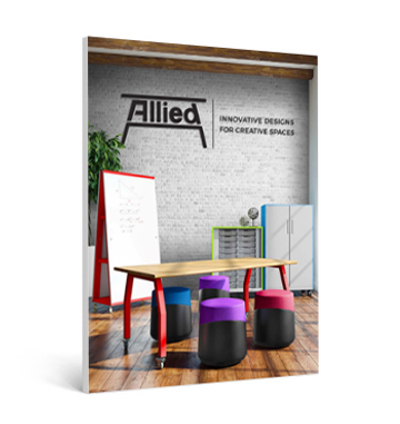
Selecting the right school furniture manufacturer is crucial for creating effective learning environments that cater to diverse educational needs. This comprehensive guide will help you navigate the essential factors to consider when choosing a manufacturer, ensuring that you invest in durable, ergonomic, and sustainable educational furniture. Many schools face challenges in accommodating various learning styles and student demographics, which can impact the overall educational experience. By understanding the key criteria for selecting a manufacturer, you can make informed decisions that enhance student engagement and comfort. This article will cover your school’s needs, evaluation criteria for manufacturers, the importance of flexibility and sustainability, manufacturer capabilities, budgeting for furniture, and why Allied Manufacturing stands out as a trusted partner in this space.
What Are Your School’s Needs and Learning Environment Requirements?
Understanding your school’s specific needs and the requirements of different learning environments is the first step in selecting the right furniture. Each educational space, from classrooms to labs, has unique demands that influence furniture choices.
How to Assess Different Learning Spaces: Classrooms, Makerspaces, Labs, and Libraries
When evaluating various learning spaces, it’s essential to consider the specific furniture needs for each environment. Classrooms typically require desks and chairs that facilitate both individual and group work, while makerspaces benefit from flexible tables that can be rearranged for collaborative projects. Labs often need durable surfaces that can withstand spills and heavy use, and libraries should feature comfortable seating that encourages reading and study. By assessing these requirements, schools can select furniture that enhances functionality and supports diverse learning activities.
Why Understanding Student Demographics and Age-Appropriate Furniture Matters
Age-appropriate furniture is vital for accommodating the physical and developmental needs of students. Younger children require smaller desks and chairs that promote proper posture, while older students may benefit from adjustable furniture that can adapt to their changing needs. Understanding the demographics of your student population helps ensure that the furniture selected is not only functional but also promotes comfort and engagement in the learning process.
What Key Criteria Should You Use to Evaluate School Furniture Manufacturers?
How Do Durability and Quality Materials Impact Furniture Longevity?
Durability is a critical factor when selecting school furniture, as it directly affects the lifespan and overall value of the investment. High-quality materials, such as solid wood, or steel frames, can withstand the rigors of daily use in educational settings. Additionally, school furniture made from sustainable materials not only supports environmental goals but also tends to be more durable, providing long-term cost savings.
Why Is Ergonomic Design Essential for Student Well-being and Comfort?
Ergonomic design is crucial for promoting student well-being and comfort. Furniture that supports proper posture can reduce the risk of discomfort and long-term health issues. Features such as adjustable heights, lumbar support, and flexible seating options can enhance the learning experience by allowing students to focus better and engage more actively in their studies.
The importance of ergonomic design is further underscored by studies focusing on student comfort and health.
Ergonomic Classroom Chairs: Student Comfort & Health Design
How Can Flexibility, Safety, and Sustainability Influence Your Furniture Choice?
What Are the Benefits of Flexible and Modular Classroom Furniture?
Flexible and modular classroom furniture allows for easy reconfiguration of learning spaces to accommodate different teaching methods and group sizes. This adaptability encourages collaboration and creativity among students, making it easier for educators to implement innovative teaching strategies. Additionally, modular furniture can save space and resources, as it can be easily stored or repurposed as needed.
Which Safety Standards and Eco-Friendly Certifications Should You Look For?
When selecting school furniture, it’s essential to consider safety standards and eco-friendly certifications. Look for products that meet recognized safety guidelines, such as those set by the Consumer Product Safety Commission (CPSC), the American National Standards Institute (ANSI) and BIFMA. Eco-friendly certifications, such as GREENGUARD Gold, Forest Stewardship Council (FSC) certification or MAS Green Certification, indicate that the furniture is made from sustainable materials and has low chemical emissions, contributing to a healthier learning environment.
The growing demand for sustainable options highlights the broader impact of eco-friendly furniture beyond just certifications.
What Manufacturer Capabilities and Support Services Are Important?
How Do Design Customization and Quality Control Affect Your Purchase?
Many manufacturers offer customization options that allow schools to tailor furniture to their specific needs. This can include selecting colors, materials, and configurations that align with the school’s branding and functional requirements. Additionally, robust quality control processes ensure that the furniture meets high standards for durability and safety, providing peace of mind for school administrators.
What Warranty, After-Sales Support, and Installation Services Should Be Offered?
A comprehensive warranty and after-sales support are essential when choosing a furniture manufacturer. Look for companies that provide warranties covering defects and offer installation services to ensure that the furniture is set up correctly. Good after-sales support can also help address any issues that arise after the purchase, ensuring a smooth experience for schools.
How to Budget and Calculate the True Cost of School Furniture?
What Factors Influence Procurement Processes and Contract Negotiations?
Several factors can influence procurement processes, including budget constraints, timelines, and the specific needs of the school. Engaging in thorough contract negotiations can help secure favorable terms, such as bulk discounts or extended warranties, which can significantly impact the overall budget.
How to Evaluate Return on Investment Through Durability and Student Outcomes
Evaluating the return on investment (ROI) for school furniture involves assessing how durable products contribute to long-term savings and improved student outcomes. Durable furniture reduces the need for frequent replacements, while ergonomic designs can enhance student performance and engagement, ultimately leading to better educational results.
This perspective aligns with research highlighting the importance of considering long-term value beyond initial purchase price.
Why Choose Allied Manufacturing as Your Trusted School Furniture Manufacturer?
How Does Allied USA Commit to Innovation, Ergonomics, and Sustainability?
Allied USA is dedicated to innovation in educational furniture design, focusing on ergonomic solutions that promote student comfort and well-being. Their commitment to sustainability is evident in their use of eco-friendly materials and manufacturing processes, ensuring that their products are both durable and environmentally responsible.
What Comprehensive Solutions Does Allied Manufacturing Offer for Every Learning Space?
Allied USA provides a wide array of furniture solutions tailored to various learning environments, including collaborative classrooms, makerspaces, and STEM labs. Their product offerings include student desks, activity tables, school chairs, and storage solutions, all designed to enhance the learning experience and support modern educational practices.
| Furniture Type | Features | Benefits |
|---|---|---|
| Student Desks | Adjustable height, durable materials | Supports ergonomic posture, long-lasting |
| Activity Tables | Modular design, easy to rearrange | Encourages collaboration, flexible use |
| School Chairs | Ergonomic design, Green materials | Promotes comfort, easy to move, sustainable materials |
| Storage Solutions | Versatile configurations, secure | Maximizes space, keeps classrooms organized |
This table illustrates the diverse range of furniture types offered by Allied Manufacturing, highlighting their features and benefits for educational environments.
In conclusion, selecting the right school furniture manufacturer involves careful consideration of your school’s needs, evaluation criteria, and the importance of flexibility, safety, and sustainability. By choosing a trusted partner like Allied Manufacturing, you can ensure that your investment in educational furniture supports a positive learning environment for all students.


